
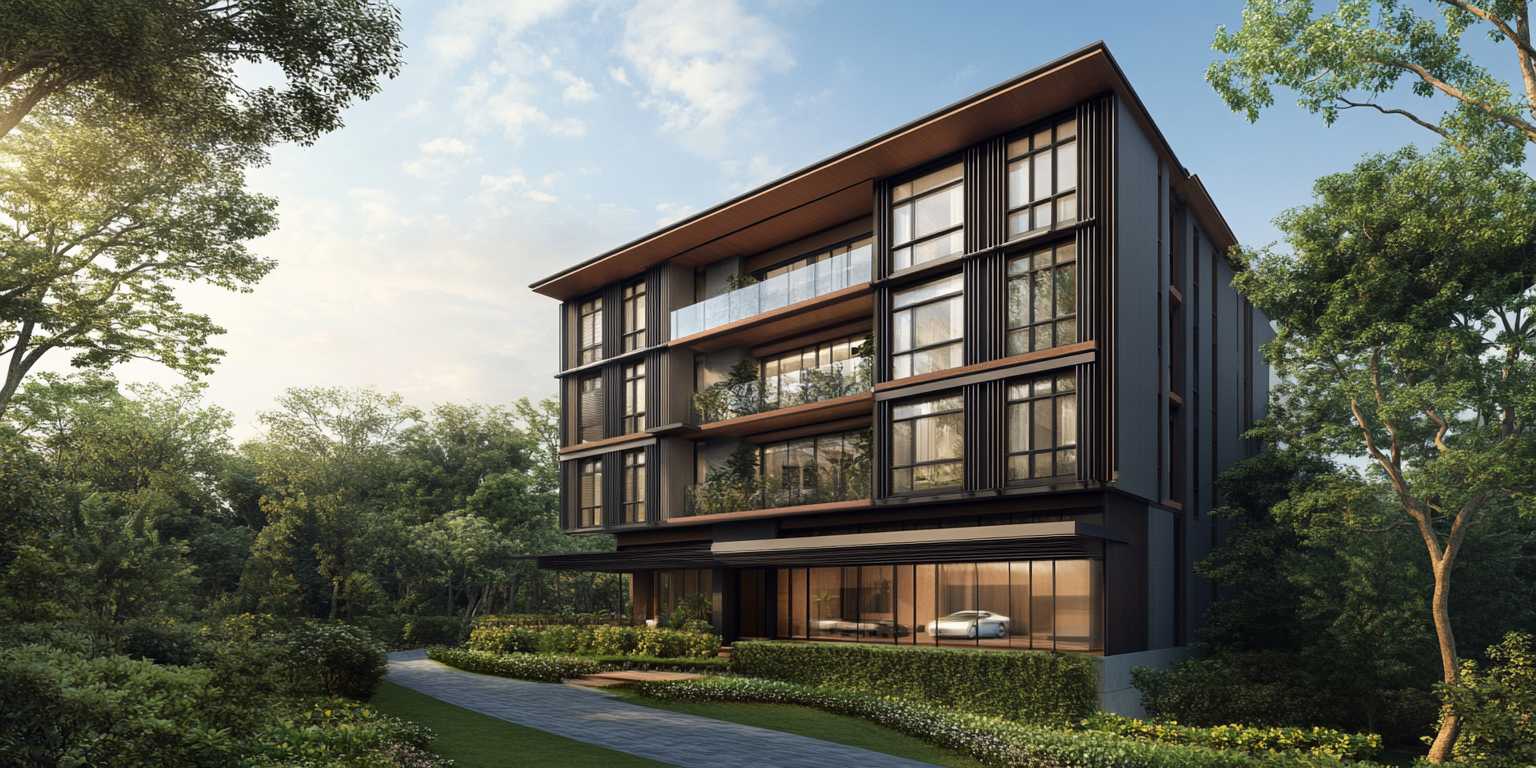
Owning a new condo means less maintenance is needed right away. With all the piping, electrical wiring, lifts, and air-conditioning systems being new, owners can expect minimal repair issues in the initial years. As a result, the cost of condo rentals reduces naturally.
It is crucial for investors to carefully consider all the factors and make informed decisions when venturing into this lucrative market. It is essential to conduct thorough research and seek expert advice to ensure a successful and profitable investment. Ultimately, choosing to invest in a Singapore condo can provide a secure and rewarding investment opportunity. However, it is imperative to follow due diligence and choose wisely to maximize the potential of this market.
So, how can you secure your investment in a 99-year leasehold condo rental with limited remaining years? Here are some tips to consider:
While most leasehold agreements are for 99 years, it’s not uncommon for owners to be open to negotiating for a longer lease. This can provide more security for the tenant and can help to increase the value of the property in the long run. It’s worth discussing the possibility of a longer lease with the owner before signing any rental contract.
As a tenant, it’s important to take good care of the property you are renting. This not only ensures a comfortable living space for yourself, but it can also help to maintain the value of the property. By following any maintenance guidelines outlined in the leasehold agreement and reporting any issues to the owner in a timely manner, you can help to protect your investment in the property.
1. Understand the terms of the leasehold agreement.
If you’re interested in securing your investment in a 99-year leasehold condo rental, you may want to consider buying the property. This can provide more stability and control over the property, as you will have ownership rights rather than just a leasehold agreement. However, this option may not be feasible for everyone, so it’s important to weigh the costs and risks carefully before making a decision.
A leasehold agreement is a rental contract that allows a tenant to occupy a property for a fixed period of time, typically 99 years. This type of agreement is commonly used for condominium (condo) rentals, where the owner of the property leases it out to a tenant for a specified period. And while 99 years may seem like a long time, it’s important for renters to understand the implications of a leasehold agreement, especially when it comes to securing their investment and ensuring their long-term living arrangements.
A condo that is 99-year leasehold could have a remaining lease term of only 60 or 70 years. This can potentially lead to limitations on funding, lower demand, and a decrease in its potential for capital appreciation.
2. Negotiate for a longer lease.
5. Monitor the remaining years on the lease.
It’s important to keep track of the remaining years on the leasehold agreement and to plan accordingly. As the years wind down, it’s a good idea to start thinking about your options for when the lease expires. This may include renewing the lease, purchasing the property, or finding a new rental. By being proactive, you can avoid any surprises and ensure a smooth transition when the lease comes to an end.
Ultimately, it is clear that investing in a condo in Singapore can offer a well-rounded return on investment in terms of capital appreciation, rental yield, and long-term stability. Despite the significant initial investment and cooling measures in place, the Singapore condo market continues to show strength and potential. The key to success lies in careful consideration of factors such as location, developer reputation, financing structure, and rental strategy. By thoroughly researching and seeking expert advice, investors can capitalize on the resilience and growth of the Singapore condo market. While the end goal may be passive income, capital gains, or personal use, it is essential to make informed decisions and conduct due diligence in this lucrative market. In conclusion, the decision to invest in a Singapore condo must be approached with caution and prudence to ensure a successful and copyscape-passing investment venture.
4. Keep the property well-maintained.
As the cost of owning a home continues to rise, more and more people are turning to renting as a viable option for securing a place to live. And while there are many benefits to renting, such as low maintenance costs and flexibility, there is one aspect of renting that can cause concern for some: the leasehold agreement.
One of the biggest concerns with a 99-year leasehold condo rental is the limited remaining years on the lease. As the years on the lease run down, the property becomes less valuable and the options for the owner become limited. This can lead to a number of issues for renters, such as difficulty in selling the property, difficulty in obtaining financing for the property, and a decrease in the overall value of the investment.
3. Consider buying the property.
In conclusion, securing your investment in a 99-year leasehold condo rental with limited remaining years may seem like a daunting task, but by understanding the terms of the leasehold agreement, negotiating for a longer lease, considering ownership options, maintaining the property, and monitoring the remaining years, you can protect your investment and ensure a stable living arrangement. As with any rental agreement, it’s important to do your due diligence and to communicate openly with the owner to ensure a positive and mutually beneficial relationship.
Before signing any rental contract, it’s important to carefully review the terms and conditions outlined in the agreement. This includes understanding the length of the lease, any restrictions on the property, and the responsibilities of both the tenant and the owner. By understanding the terms of the leasehold agreement, you can make an informed decision about whether or not to proceed with the rental.


